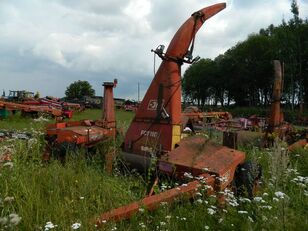
JF combines
8 ads: JF combines
JF Combines in Nigeria: Specifications, Field Use, and Market Considerations
Overview and primary role
JF combines are self-propelled harvesting machines designed to cut, thresh, separate, and clean grain crops in a single pass. Their core purpose is to reduce harvest time, limit field losses, and support consistent grain quality across medium to large acreages. In the combine segment, JF is commonly positioned as a practical, work-focused option where operators prioritize uptime, straightforward maintenance, and predictable operating costs.
Technical profile of JF combines
Typical configurations focus on balanced power-to-capacity for mixed farming and seasonal contract work. Engine output and throughput vary by variant, but the platform generally targets stable performance under variable crop moisture and uneven field conditions. Key technical points often evaluated by operators include:
- Header compatibility and cutting width options for local crop patterns
- Threshing and separation design aimed at limiting grain damage
- Cleaning system capacity for dusty environments
- Service accessibility for belts, sieves, and wear parts
- Fuel consumption relative to harvested tonnes per hour
Compared with older or lightly adapted imports, these machines are often selected for simpler operator routines, faster daily checks, and a configuration that fits common staple crops such as maize, rice, sorghum, and wheat where applicable.
Relevance in Nigeria and operating conditions
Demand for combine harvesters in Nigeria is shaped by short harvest windows, labor constraints, and the economics of reducing post-harvest losses. Mechanized harvesting is increasingly important in maize belts and rice-growing regions, including irrigated schemes and rain-fed production areas. Climatic factors—heat, dust, and sudden rainfall—make effective cleaning and dependable cooling systems important. Infrastructure also matters: farms may face long road moves and variable field access, so transport width, turning radius, and ease of on-site servicing influence machine choice.
JF combines price and suitability for operators
These harvesters are suited to commercial farms, cooperatives, and contractors needing dependable seasonal output with manageable maintenance. Main reasons they are considered include fit-for-purpose capacity, serviceable design, and compatibility with common grain crops. When evaluating JF combines for sale, buyers typically compare hours, wear-part condition, header setup, and parts availability to the expected hectares per season and local support options.
Prices for JF combines
| JF FC 800 Finsnitter | Year: 1900 | €2,400 |
| JF FCT 110 | €2,066 | |
| JF FDT 150 | Working width: 1.5 m | €2,352 |
| JF FH 1300 | Year: 1900 | €1,800 |
| JF Stoll dobbelkutter | Year: 1900 | €1,800 |