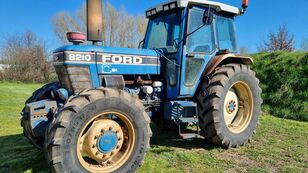
Ford 8210 tractors
6 ads: Ford 8210 tractors
Ford 8210 Tractors: Practical Farm Power and Utility for Nigerian Operations
Overview and role in the market
Ford 8210 tractors are mid-to-high horsepower agricultural machines designed for primary tillage, heavy haulage, and demanding PTO work. Built within a lineage that many operators associate with straightforward engineering and serviceability, the Ford name remains well regarded in the used tractor segment for durability and predictable running costs. These units are often selected where consistent daily output matters more than electronic complexity.
Technical profile of Ford 8210 tractors
Typical configurations deliver around 110–120 hp, with strong torque for pulling implements and maintaining speed under load. A robust drivetrain (commonly Synchro/dual power variants depending on year and market) supports field and transport tasks, while hydraulic capacity and linkage strength suit modern mounted and trailed equipment. Compared with lighter utility tractors, this class offers better traction and implement control; compared with newer high-tech models, it can be easier to maintain in workshops that prioritize mechanical diagnostics.
- Suitable for ploughing, harrowing, and seedbed preparation
- Reliable PTO performance for balers, forage equipment, and pumps
- Capable road and yard handling for trailers and bulk transport
- Practical layout for routine service access and parts interchange
Nigeria use cases and demand drivers
In Nigeria, these tractors are relevant for mixed-crop farms and commercial operations that need dependable power for land preparation, haulage, and seasonal contracting. Demand is influenced by the need to open new acreage efficiently, variable fuel and maintenance budgets, and the realities of operating across uneven fields and long transport routes. Simpler mechanical platforms can be advantageous where diagnostic tools are limited and downtime has a direct impact on planting and harvesting windows.
Ford 8210 tractors price, suitability, and selection factors
This model class suits farm managers, contractors, and cooperatives seeking a proven horsepower range for heavy implements without relying on complex electronics. Key reasons operators choose them include balanced power-to-weight, workable hydraulics, and maintenance familiarity in many local workshops. When comparing listings, buyers typically focus on engine condition, transmission behavior, hydraulic response, tyre wear, and evidence of consistent servicing, as these factors most directly affect lifecycle cost and field reliability.